


Do you often feel tired and rundown? Find yourself struggling to relax before sleep? It's more than likely a sign that you are deficient in magnesium. Which means, you could be missing a trick when it comes to maximising your physical health and mental well-being.
This guide explores why, how to diagnose magnesium deficiency, and supplements that can help.
• What is magnesium?
• What magnesium does in the body?
• Magnesium high foods
• Negative effects of magnesium deficiency on your gut health.
• How much magnesium do you need?
• Do you need to supplement with magnesium?
• How to diagnose magnesium deficiency.
• What are the best magnesium supplements?
• What causes magnesium deficiency? And other FAQs.
Read on to learn the science of magnesium and how it can benefit your health.
What is magnesium?
Magnesium is an essential dietary mineral that works as a 'helper molecule' for over 300 enzymes [4]. This means that they act to speed up and enable various chemical reactions in the human body.
It interacts with other micronutrients, such as calcium and vitamin D to maintain healthy bones, enabling muscle contraction and regulating blood pressure , [5-6].
It also plays a crucial role in producing energy, helping the body to break down, store and use carbohydrates [7]. Magnesium is also essential for cell function, repair and regeneration [8].

What does magnesium do?
Like many nutrients the magnesium we absorb from food doesnt' act in isolation. The benefits come, not just from the processes that it directly supports, but its interactions with physiological processes, including:
1. Maintaining healthy bones and teeth
Almost 60% of the total magnesium in your body is stored in your bones and teeth?[9-11] And while you're likely familiar with the importance of vitamin D for bone health, you may not have considered the role of magnesium.
Vitamin D is a fat-soluble vitamin we obtain through skin exposure to sunlight. Low levels can increase your risk of numerous diseases, affecting the cardiovascular, musculoskeletal and nervous systems [12-16]. This can result in fatigue, bone pain, muscle weakness, aches or cramps and mood changes, such as depression [17].
Magnesium helps the body converts vitamin D from its storage into its active form [18-19]. So, if you take a daily vitamin D supplement but do not consume sufficient magnesium through your diet or supplementation, you won't get the optimal health benefits [20-21].
And it's a two-way street. Higher amounts of vitamin D's active form also appear to increase how much magnesium we absorb from food [22].

2. Improved heart health
If you have a history of cardiovascular disease in your family, then getting magnesium in your diet should be a top priority. Research shows magnesium supplementation is highly effective at reducing your risk of heart attacks and strokes [27-29].
This is because it stabilises the rhythm of the heart and prevents blood clotting [23-25]. It's also critical in maintaining healthy blood pressure because it regulates calcium concentrations, helping to control the width of blood vessels. It also stimulates nitric oxide, a compound made by the body that causes blood vessels to widen, helping to reduce blood pressure [26].
Magnesium supplementation has also been found to significantly decrease total cholesterol and improve blood lipid profiles in people with high cholesterol [30].

3. Reduced risk of type 2 diabetes
Low levels of magnesium are associated with insulin resistance [31], the hormone that shuttles carbohydrates (glucose) to muscles and other cells around the body, for energy. If your body can't break down, store and utilise carbohydrates as fuel, it will increase your risk of developing type 2 diabetes and other chronic health conditions, such as hypertension and cardiovascular disease [32].
It also helps regulate electrical activity and insulin production in the pancreas [33]. Without it, the body can't manage insulin effectively, which can lead to metabolic syndrome and type 2 diabetes [34].
However, magnesium supplements are highly effective at improving insulin sensitivity in patients with type 2 diabetes and overweight non-diabetic people [35-39].

4. Improved cognitive function and mood
Magnesium plays a key role in cognition partly by helping to convert vitamin B6, which is important for healthy brain development, keeping the nervous and immune systems healthy, and regulating mental function and mood [41].
Magnesium also works with calcium to regulate the nervous system. Which means, too little magnesium or calcium can lead to an increase in nervous system excitability. This may lead to cramps, cardiac abnormalities or even psychological disorders [42].
5. Increased muscular strength and muscle mass
If you want to maximise your physical performance in the gym, Magnesium is key.
It supports multiple processes that govern muscle function, such as oxygen uptake, energy production, and the balance of electrolytes such as sodium, potassium and calcium [43]. Interrupts this chain of events and you can say goodbye to those gains.
There is also evidence that even relatively minor magnesium deficiency impairs exercise performance and increases the negative outcomes of strenuous exercise, such as oxidative stress [44]. Oxidative stress can damage cells, protein and DNA, accelerating the ageing process [45].

6. Reduced inflammation and improved immunity
Magnesium is crucial in keeping inflammation at healthy levels in the body. Chronic, low-level inflammation has a hand in everything from accelerated ageing to an increased risk of developing heart disease, high blood pressure, certain cancers and diabetes [46-47].
We also need magnesium to make glutathione, the body's primary antioxidant [50]. Glutathione is critical for protecting your immune cells and helping them to function optimally [51].

6. Improved sleep and recovery
In today's modern, fast-paced world, nearly all of us could benefit from sleeping a little better and feeling less stressed. Making sure you are consuming enough magnesium is an easy win for boosting recovery.
Magnesium activates the parasympathetic or 'rest and digest' nervous system. Its primary role is to conserve the body's natural activity, such as decreasing heart rate, slowing breathing, and digestion [52].
Activating this system also increases physical and mental relaxation. As a result, magnesium can help to relax the nervous system before bed, helping to promote restorative sleep. Observational studies also show that higher magnesium intakes correlate with improvements in the sleep cycle [53].
If you struggle with taking a long time to fall asleep, daytime napping, snoring or waking in the night, increasing your magnesium intake may help.

7. Decreased stress
Magnesium is also highly beneficial for minimising the effects of chronic stress.
A long-term trial examined the influence of magnesium supplements and strength-endurance training on Heart rate variability [54], a health marker that measures the variation between consecutive heartbeats.
Participants took a 400mg daily magnesium supplement for three months. The results showed a clear increase in parasympathetic activity and activity of the vagus nerve, which controls vital functions such as digestion, heart rate and the immune system [56].
But that's not all.
Magnesium also plays a crucial role in regulating numerous biochemical reactions in the body, particularly in the brain…
8. Improved mood and reduced risk of headaches and migraines
Easing migraines and headaches is now thought to be another benefit of magnesium. [57-58].
Key to this is its positive influence on neurotransmitters such as serotonin, dopamine and GABA (gamma-Aminobutyric acid), which regulate mood, behaviour, sleep and memory [59].
Neurotransmitters are chemical messengers that control various processes throughout the body. Magnesium deficiency can prevent these systems from functioning optimally, increasing the risk of developing conditions like depression and anxiety [60].

How to boost magnesium through food
Foods such as bananas, almonds, broccoli, brown rice, whole grains, green vegetables and milk are all good sources of magnesium.
The table below shows the top dietary sources of magnesium and their average magnesium content per 100g (unless specified otherwise).
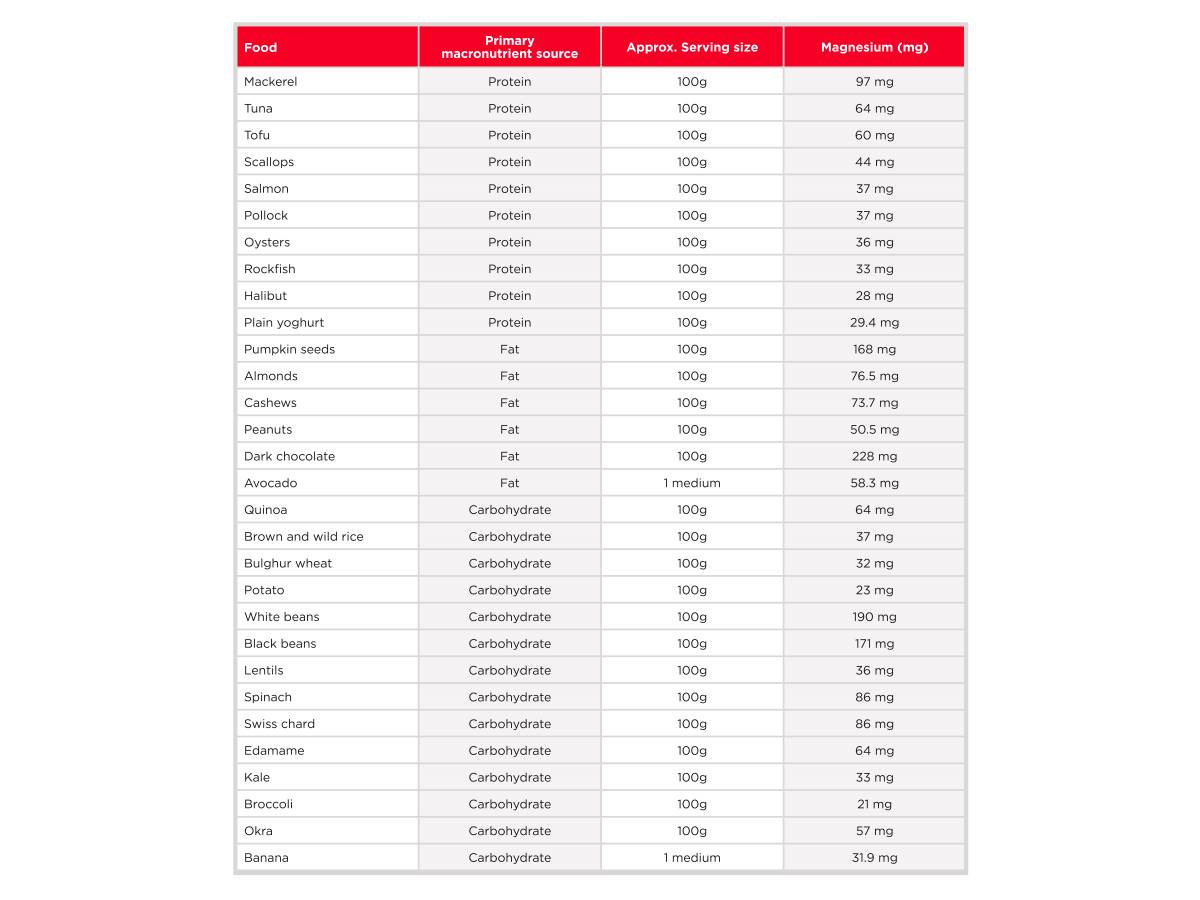
Table adapted from The USDA National Nutrient Database for Standard Reference [61].
If you eat a balanced, nutritious diet, in theory, you should be able to obtain all the magnesium you need from your food. However, a few key reasons make this almost impossible for most people, even with the best nutritional habits and lifestyle.
Foods today contain 25-80% less magnesium than 50 years ago
The use of pesticides and fertilisers, as well as changes in soil conditions and quality, mean that many of the foods we eat today are low in magnesium [62].
Moreover, the manufacturing process for foods like refined oils, grains and sugar means that they contain barely any magnesium by the time they reach our plates [63].
And even if you eat mostly single-ingredient, whole foods, it may not be enough to prevent magnesium deficiency.
The UK Government's 'Composition of Food Tables' shows a steady decline in the magnesium content of food over the last century. Between 1940 and 1991, there was a 24% decline in magnesium in vegetables, 17% in fruit, 15% in meats and 26% in cheese [64]. Fast-forward 30 years to today, and these figures are likely to be even higher. Figures also show that the magnesium content in wheat has dropped by 20% since 1968 [65].
As a result, most people who eat a standard Western diet do not consume enough magnesium to meet the recommended daily allowance (RDA). Research consistently shows that people who live in countries with the highest intakes of processed foods high in refined grains, fat, phosphate and sugar are most at risk of deficiency [66].
But the effects of the modern Western lifestyle don't stop there. Diets that are low in nutrients and high in processed, calorie-dense foods have secondary effects that make magnesium deficiency even more likely.

Feel it in your gut
Around 30-70% of dietary magnesium is absorbed in the intestine [67]. The bacteria in your gut play a critical role in harvesting, storing and using energy from foods. Even slight disruptions to this delicate ecosystem, which may be exacerbated by diets high in processed and inflammatory foods, can result in the malabsorption of micronutrients like magnesium [68].
We are also increasingly understanding the importance of disruptions to the gut microbiome in the development of obesity. A wealth of research shows a two-way relationship between poor gut health, obesity, chronic inflammation and lifestyle diseases [69-70]. Gut dysbiosis, an imbalance in your gut bacteria, triggers changes in the body that make managing hunger and appetite much harder [71].
Being overweight is itself an inflammatory state that can negatively impact the balance of your gut microbiota [72]. This can make it harder to fully absorb the nutrients in foods [73]. If you are one of the 62% of UK adults who are overweight or obese [74], you may need to supplement, even if you are making positive changes to your diet.

How much magnesium do you need?
The recommended daily allowance (RDA) of magnesium is 420mg daily for men and 320mg for women [75]. Pregnant or lactating women should consume at least 360mg of magnesium daily [76].
Taking high doses of magnesium (over 400mg) can cause diarrhoea in the short term. We do not yet know the effects of taking high doses of magnesium for a long time [77]. Most clinicians recommend having roughly a 2:1 balance of calcium to magnesium in your diet [78].
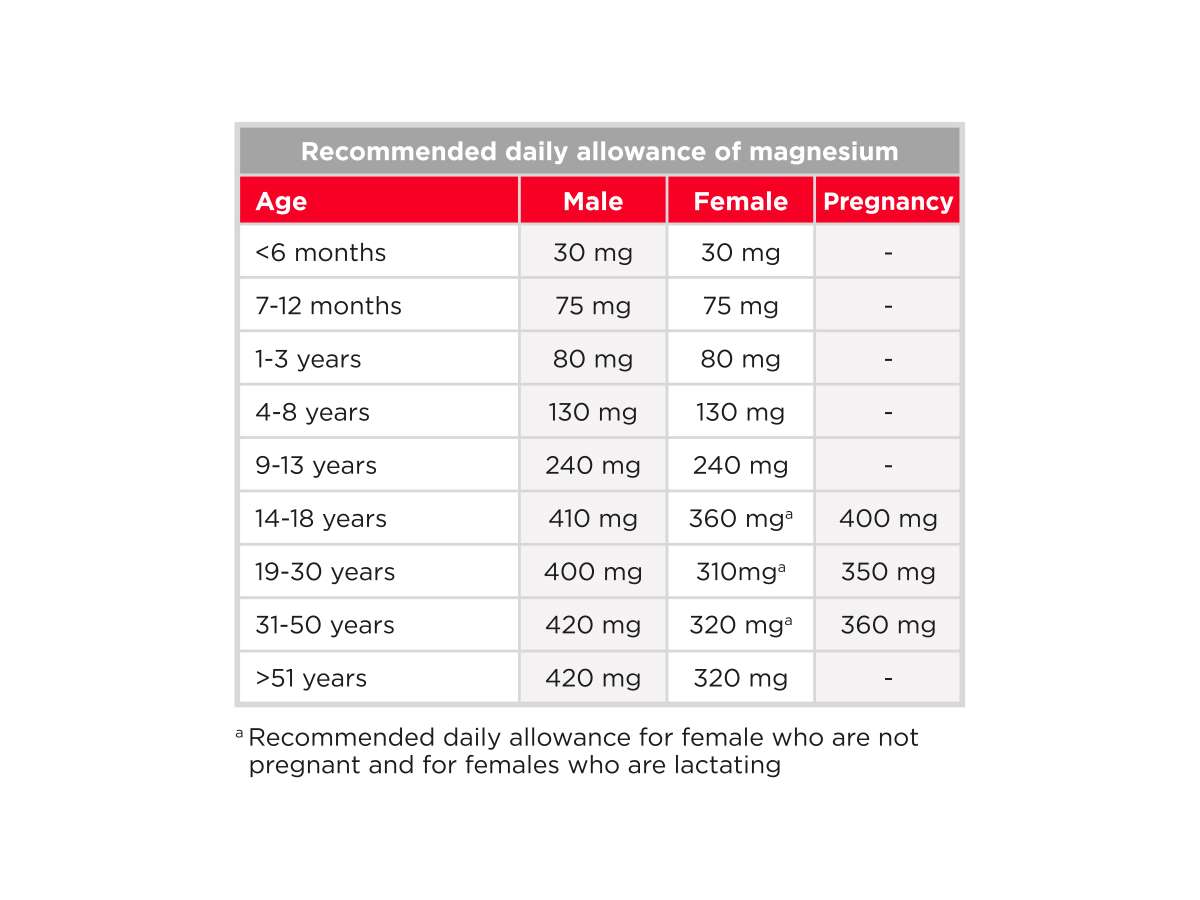
Recommended daily allowance of magnesium by age group and gender.
Your risk of metabolic, inflammatory and cardiovascular diseases increases if this ratio becomes unbalanced due to low magnesium intake [79]. Long-term studies in the United States show that the incidence of type 2 diabetes rose sharply between 1994 and 2001 as the ratio of calcium-to-magnesium intake from food rose from below 3.0mg/L to above 3.0mg/L [80].
Therefore, even though the RDA may be 320mg for women and 420mg for men, you may need more to balance your calcium intake. For example, if you consume the optimal daily intake of calcium for women aged 51+ of 1,200 mg of calcium, you will also need 600 mg of magnesium to balance it [81].
Always check with your doctor before taking magnesium.
Do you need to supplement with magnesium?
Statistics show that up to 48% of people consume less than the recommended magnesium intake [82-83]. As a result, it is estimated that up to 20% of people may be deficient [84].
So do you need to supplement with magnesium? If you fall into one of the following categories, you may be deficient without realising it.
1. You work out a lot
If you exercise regularly, the amount of magnesium you need rises. Around 15mg of magnesium is lost in sweat each day, which increases when you perform high-intensity exercise [85].
Strenuous exercise increases magnesium requirements by 10-20% [86]. As a result, you may need to supplement with magnesium.

2. You use aluminium-based products
You probably use aluminium products every day without even noticing. Cookware deodorants, over-the-counter and prescription medications, baking powder, or baked goods; if you use any of these products, you may benefit from a magnesium supplement.
Environmental aluminium toxicity increases the risk of magnesium deficiency because it reduces how much we absorb from the diet by around fivefold. As a result, the body retains up to 41% less magnesium in bone[87].

3. You are a woman
Women have increased magnesium requirements due to reproductive processes.
Magnesium deficiency in women is associated with conditions like Polycystic Ovary Syndrome (PCOS), weight gain, PMS, mood disorders and dysbiosis. During menopause, it may increase the risk of hot flashes, CVD, osteoporosis, insulin resistance, high blood pressure and constipation [88].
And if you're a woman who struggles with severe PMS, supplementing with magnesium may be a no-brainer. Several studies have shown that women who suffer from PMS have lower magnesium levels than women who do not [89-90]
Magnesium is also highly beneficial for women who suffer from PCOS through its positive effects on insulin sensitivity [91-92].
Likewise, supplementing with magnesium may be necessary if you are at risk of or have been told you have osteoporosis [93].

Read how TV star Alison took control of menopausal weight gain at 58 to feel confident on camera.
4. You struggle to follow a healthy lifestyle
People who eat a lot of processed foods high in refined grains, fat and sugar are most likely to be deficient in magnesium [94].
As well as containing low levels of magnesium, these foods are also large sources of nitrogen, phosphorus and potassium, which increase our magnesium requirements. For example, dairy products like cheese have a very high phosphorus to magnesium ratio [95].
Supplementation is a must if you eat a lot of packaged and processed bread and bakery products, sodas and sugary treats, and few magnesium-rich foods.

5. You have poor gut health
Since magnesium is absorbed through the gut [96], malabsorption can result in deficiency [97-98]. High alcohol intake can also increase the risk of low magnesium [99].
You may need to supplement if you have a history of digestive problems. This includes Crohn's disease, irritable bowel syndrome, coeliac disease, gastroenteritis, or ulcerative colitis). However, always speak to your doctor before supplementing with magnesium [100].

6. You have high blood pressure, type 2 diabetes or high cholesterol
Due to magnesium's interactions with insulin and heart health, supplementing is crucial if you have any kind of metabolic condition, such as hypertension, diabetes or high cholesterol.
A meta-analysis covering 5,500 patients found that magnesium levels were significantly lower in patients with metabolic syndrome versus controls [101].
Patients with type 2 diabetes have also been found to have lower magnesium levels compared to healthy individuals [102].

7. You use certain medications
If you supplement with calcium, you are more likely to be magnesium deficient. This is because calcium and magnesium compete for absorption [103].
Likewise, over-supplementing with vitamin D may cause magnesium deficiency as it causes excessive calcium absorption, which can cause a build-up of calcium in the arteries [104].
You may be more likely to be deficient if you use diuretics and other medications, such as some heart medicines and antibiotics [105]. Always check with your doctor before taking magnesium if you take any medications.

Diagnosing magnesium deficiency
Magnesium deficiency is known as hypomagnesemia [106].
Magnesium deficiency is very difficult to diagnose as it shares symptoms with many other conditions, and there may be many contributing factors [107-108].
If you or your doctor suspects that you may be deficient in magnesium, they may ask you to take a blood test. Normal blood magnesium levels are between 1.8 and 2.2mg/dL [109].
Anything below this range is considered low, and blood magnesium levels under 1.25mg/dL are classed as severe hypomagnesemia [110].
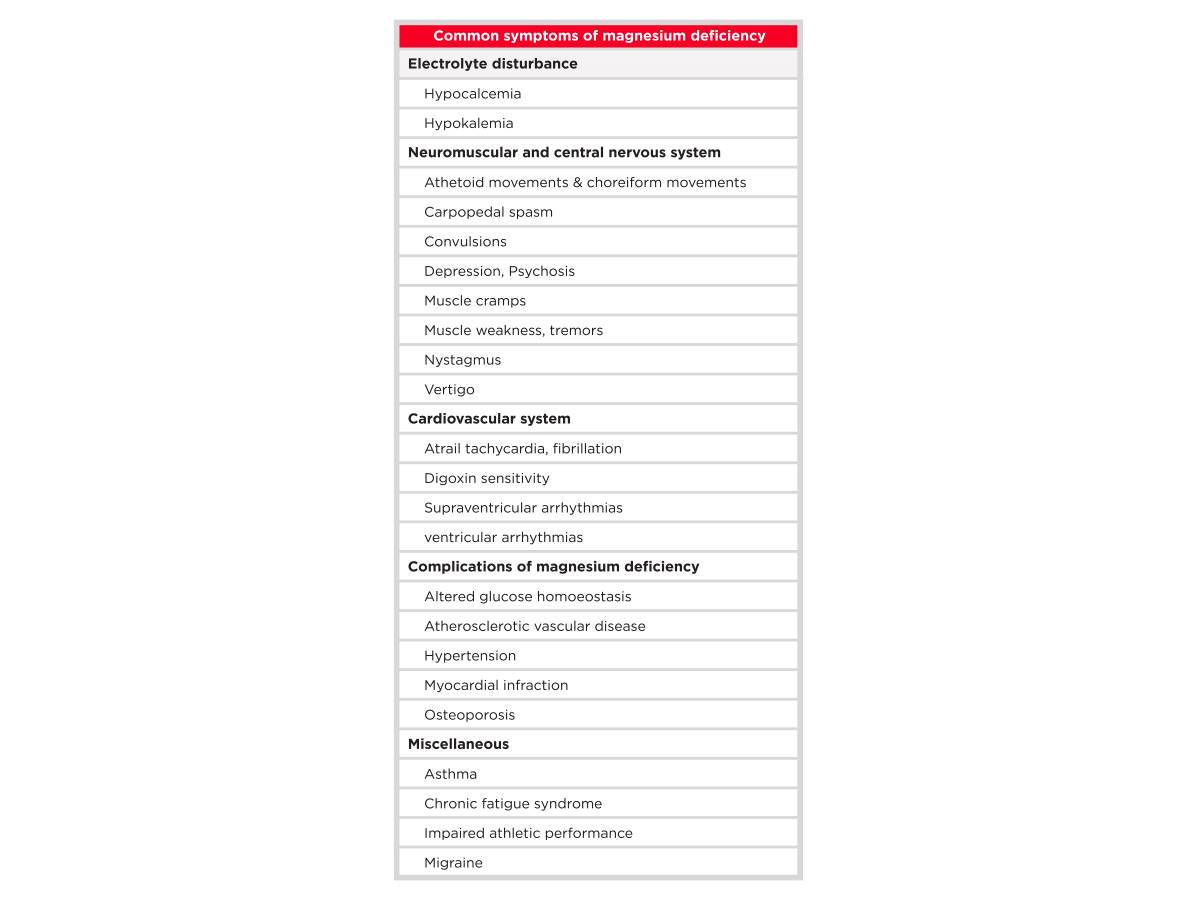
Common symptoms of magnesium deficiency may include high blood pressure, asthma, migraine, muscle weakness and cramps, and depression.
How to supplement with magnesium
Most magnesium supplements are known as 'chelates', which means they contain elemental magnesium bound to a carrier molecule bound by two or more attachment points.
The term 'chelated' refers to how the elemental magnesium is bound to a carrier, which influences its bioavailability, meaning how much you absorb from it.
Chelated forms of magnesium include:
- Magnesium citrate
- Magnesium oxide
- Magnesium chloride
- Magnesium lactate (generally used as a food additive)
- Magnesium malate
- Magnesium taurate
- Magnesium l-threonate
- Magnesium sulfate
- Magnesium glycinate
- Magnesium orotate
Studies show that different types of magnesium salts are more 'bioavailable' than others. For example, organic magnesium salts, such as magnesium citrate, appear to result in much higher absorption rates than inorganic salts like magnesium oxide [111].
Magnesium glycinate, the key ingredient in UltraMag, has higher bioavailability than other, more traditional forms of magnesium supplementation. As a result, more magnesium is available for use in the body [112].
Not all forms of magnesium are suitable for treating magnesium deficiency. For example, magnesium L-threonate is a highly effective supplement for improving memory and mood as it can reach the brain, unlike other forms of magnesium [113]. However, it does not contain enough elemental magnesium to treat magnesium deficiency effectively.

Lifestyle considerations when taking magnesium
<


