Taking GLP-1 medications?

Strength training is not optional.

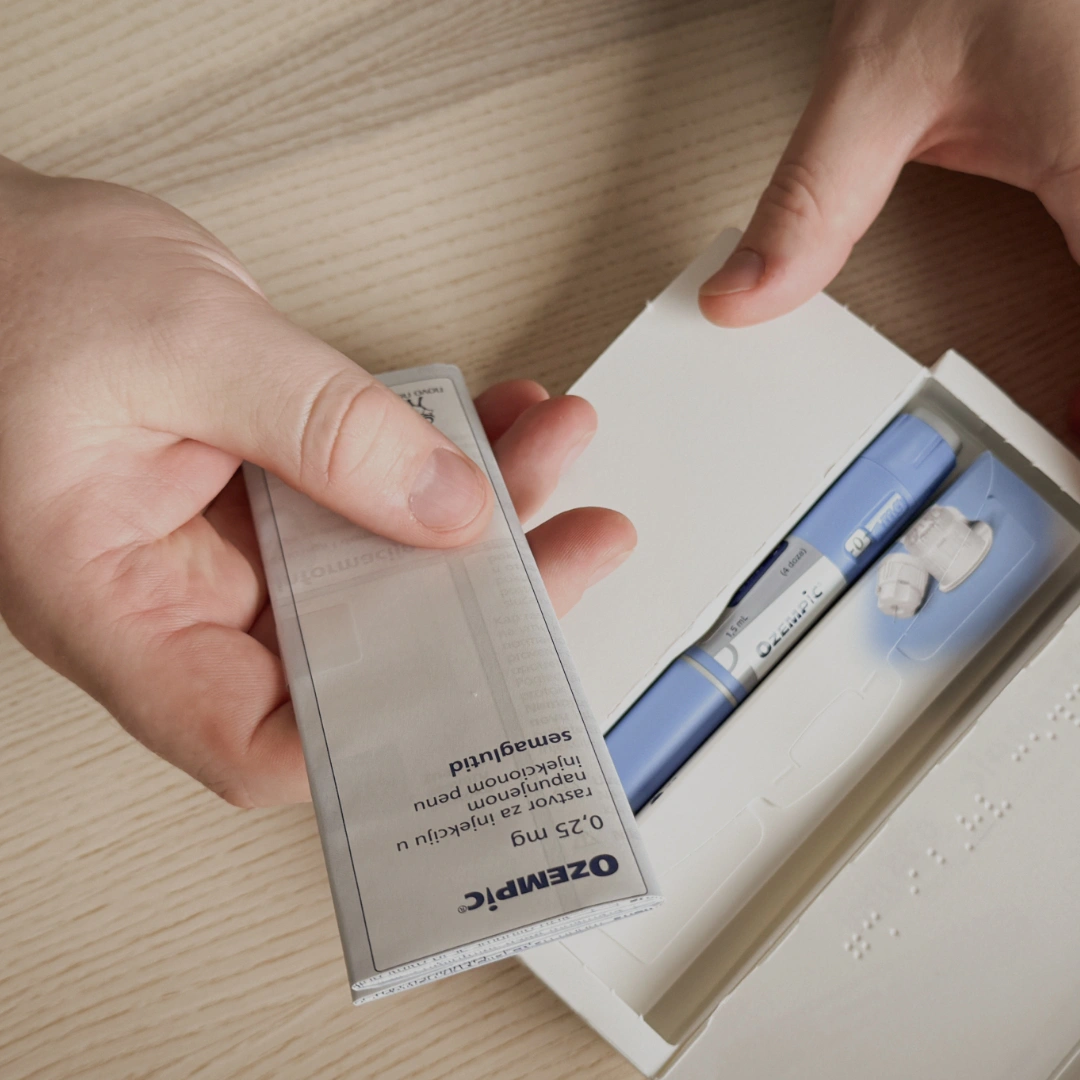
GLP-1 medications such as Ozempic and Wegovy can reduce appetite and accelerate weight loss. But structured strength training is essential to ensure the weight lost comes from body fat rather than lean muscle.

The U.P. Method combines resistance training, personalised nutrition, expert coaching, and real-time progress tracking to help you lose fat, preserve lean muscle, and maintain your results long-term.

Expert guidance for weight loss with GLP-1 medications


GLP-1 medications are changing the landscape of weight loss.
Every week, we speak with new clients who are considering medications such as Ozempic and Wegovy, already using them, or planning how to transition off them without regaining weight. We work with people across all of these situations – helping them integrate medication safely into a structured, expert-led approach to improving their health and body composition.
We can help if you’re:

Considering GLP-1 treatment

You’re never left figuring out what to do. Your trainer plans and manages your training and nutrition so you’re always doing the right things, in the right order.

Currently taking a GLP-1 drug

You’re not doing random workouts or spending hours in the gym. Training is precisely programmed and expertly coached to deliver maximum results in minimal time.

Planning to stop using GLP-1 injections

You’re not guessing which diet is right or what to eat. Your nutrition is tailored to you, designed for results, and coached step by step so you can stick to it.

Looking for an expert-led plan to remove the guesswork

You’re not left wondering if your program is working. Progress is tracked with precision so you can see results as they happen.

Why GLP-1 drugs are changing weight loss

Medications such as Ozempic and Wegovy (both forms of semaglutide), along with Mounjaro (tirzepatide), have rapidly transformed the conversation around obesity and weight loss.

Originally developed to treat type 2 diabetes, these drugs mimic the hormone GLP-1, helping regulate appetite and blood sugar.

For many people this means reduced hunger, smaller portion sizes, and meaningful weight loss. Clinical trials have shown reductions of 10–20% of body weight in some patients – levels previously associated mainly with bariatric surgery.

It’s no surprise that millions of people are now exploring these treatments.

But while these drugs can be highly effective at suppressing appetite and accelerating weight loss, they also introduce new challenges that many people don’t anticipate.

The challenges most people don’t expect

At Ultimate Performance, we regularly work with clients who are using GLP-1 drugs as part of their fitness journey.

While these treatments can accelerate weight loss, without expert guidance and a structured plan for training, nutrition, and lifestyle, people can experience challenges such as:

  • Muscle loss during rapid weight loss
    When calorie intake drops sharply without resistance training and sufficient protein, muscle can be lost alongside body fat.
  • Digestive side effects
    Symptoms such as nausea, bloating, or constipation are common and can affect appetite, food choices, and consistency.
  • Low energy and fatigue
    Significant calorie reduction can impact energy levels, training performance, and day-to-day activity if nutrition and recovery aren’t properly managed.
  • Weight regain after treatment ends
    Without sustainable habits in place, appetite often returns once medication stops, increasing the risk of regaining lost weight.
The U.P. Method

Our method gives you a structured system for sustainable results


What makes the U.P. Method so effective is that it’s a complete coaching system refined over more than 15 years and tens of thousands of client transformations.
Whether someone is using GLP-1 drugs, planning to come off them, or choosing a non-medication approach, our coaches apply proven principles of training, nutrition, and behaviour change in a highly personalised way.

This structured approach helps clients improve body composition, build sustainable habits, and develop the knowledge and confidence to maintain their results long-term.

Structured strength training

A progressive resistance training program designed to preserve muscle, improve metabolic health, and reshape body composition.

Precision nutrition

Clear nutritional structure focused on protein intake, food quality, and appropriate calorie control to support sustainable fat loss.

Expert coaching and accountability

Regular check-ins, guidance, and support from experienced trainers who help clients stay consistent and build habits that last.

Data-driven progress tracking

We track dozens of metrics across training, body composition, activity, and lifestyle to ensure consistent progress and make adjustments when needed.

What our data shows about GLP-1 weight loss

As more clients arrive at Ultimate Performance using GLP-1 treatments, we’ve begun analysing how medication-assisted weight loss compares with clients following a purely lifestyle-based approach.

While this dataset is still small, it provides useful early insights into how these drugs influence appetite, weight loss patterns, energy levels, and long-term results for our clients.

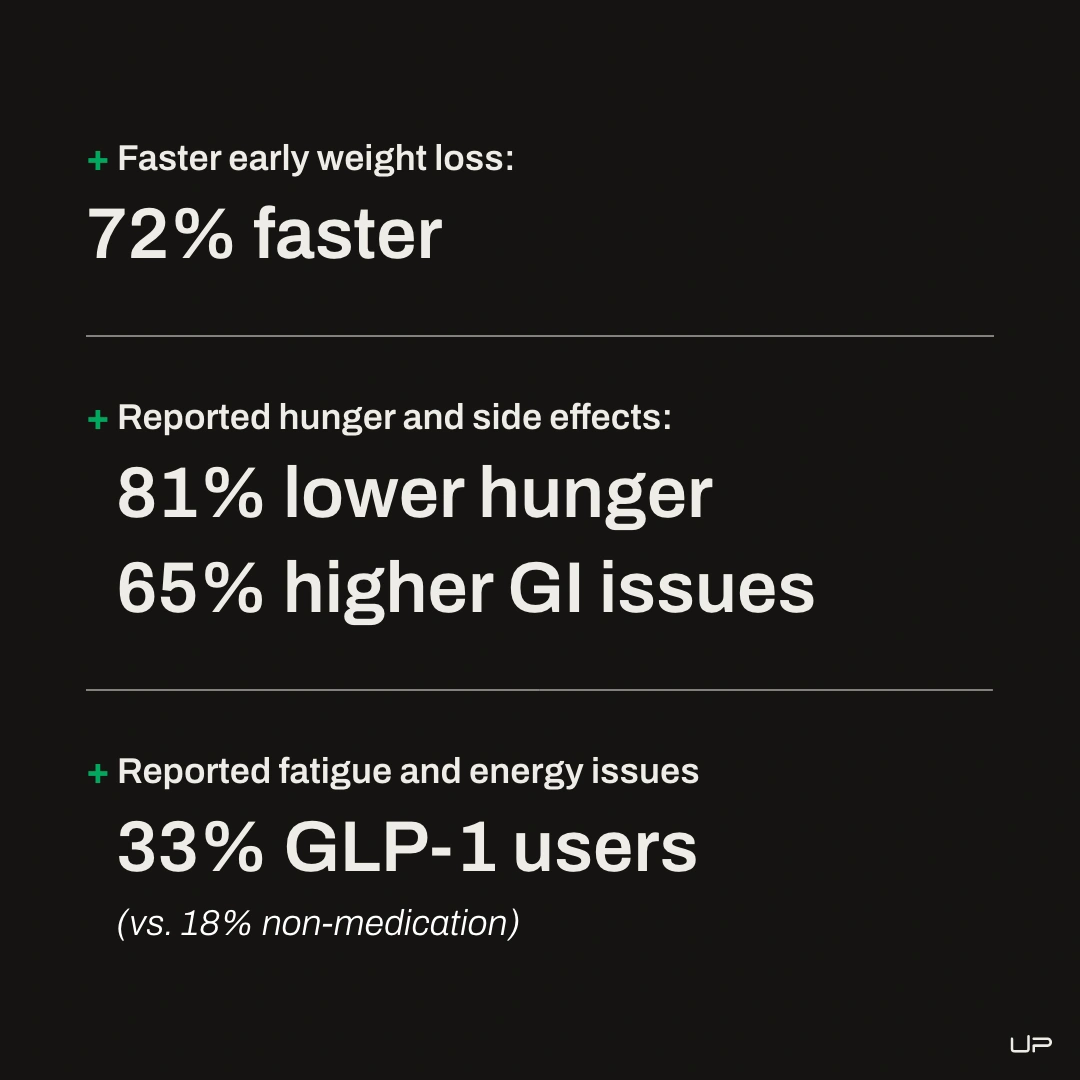
  • Faster early weight loss
    Clients using GLP-1 drugs lost weight around 72% faster in the early stages of their programs, largely driven by reduced appetite and lower calorie intake.
  • Appetite improves, but digestive issues increase
    Clients reported lower hunger levels, but digestive side effects such as constipation and nausea were significantly more common.
  • Higher fatigue and lower energy
    Around 33% of GLP-1 users reported fatigue, compared with 18% of non-medication clients, suggesting that rapid calorie reduction may affect energy levels.
  • Plateau patterns over time
    GLP-1 users often experienced rapid early progress followed by a plateau, while non-medication clients tended to show steadier, more consistent weight loss.

'Maximum results, minimum time' - Consistency leaves clues

No other personal training business can demonstrate the scale of fat loss results with thousands of clients that we can.  Other gyms leave your results to the discretion of the individual trainer. We do not.

Our data-led model and accountability systems mean that you get a consistent and predictable service with us. So, if you are willing to commit and follow our guidance to the letter, you will achieve life-changing results like so many of our successful clients globally…

Ready to see what you could achieve with the world’s leading trainers?

Enquire today about your own personal training program and find our how we build a clear and personalised strategy for improving body composition and metabolic health with results you can maintain long-term.

Common questions about GLP-1 weight loss

As GLP-1 drugs become more widely used for weight loss, many people want to understand how they affect training, nutrition, and long-term results. Here are some of the most common questions we hear from clients considering or using GLP-1 treatments.

Should you exercise while taking GLP-1 medication?

Yes – exercise, particularly resistance training, becomes even more important when using GLP-1 drugs.

When weight loss occurs rapidly, a proportion of that weight can come from lean tissue as well as body fat. Research suggests that around 20–40% of total weight lost during dieting can come from fat-free mass if training and nutrition are not managed properly.  

Structured strength training helps preserve muscle mass, maintain metabolic rate, and improve body composition long-term.  

At Ultimate Performance, resistance training is a central part of our coaching system for this reason.

Can you lose muscle while taking GLP-1 drugs?

Yes – muscle loss can occur during any rapid weight loss phase if training and nutrition are not structured correctly.

However, research suggests that muscle loss during GLP-1–assisted weight loss is broadly similar to what occurs with traditional dieting and can largely be prevented with the right approach.

Two factors that are especially important are resistance training and adequate protein intake.

When clients combine strength training with sufficient protein intake, lean mass loss can be significantly reduced and overall body composition improves. Preserving muscle also supports metabolic health, physical strength, and long-term weight maintenance.

What should you eat while using GLP-1 drugs?

GLP-1 drugs like semaglutide and tirzepatide reduce appetite and slow digestion, which often leads to a large drop in calorie intake.

Studies suggest people may eat 16–40% fewer calories while taking these drugs.  

While this drives weight loss, it also creates a risk that diet quality declines if food choices are not properly planned and managed.

Common issues can include insufficient protein intake, reduced micronutrient intake, and very low overall calorie intake – all of which are not healthy or sustainable long-term.

At Ultimate Performance, we help clients prioritise adequate protein intake for their body composition goals, nutrient-dense whole foods and meals with balances macro- and micronutrient makeups, and structured meal patterns that support training and recovery.

What happens when you stop taking GLP-1 drugs?

One of the most important questions people ask is what happens after stopping treatment.

Clinical studies show that a large proportion of lost weight can be regained if medication stops and lifestyle habits are not in place to maintain the result.  

This happens because the medication suppresses appetite while it is being used, but it does not permanently change the underlying biological drivers of weight regain.

That’s why building sustainable habits around training, nutrition, and lifestyle during the weight-loss phase is so important. These are the habits we help clients to build into their daily lives throughout the process at U.P.  

Do you need GLP-1 drugs to lose weight?

No.

Many people achieve significant and sustainable fat loss through structured training, nutrition, and behaviour change alone.

GLP-1 drugs can accelerate this process for some individuals at least early on in the process, but they are simply a tool. Long-term success still depends on building habits that support body composition, health, and sustainable behaviour change.

Are GLP-1 drugs a long-term solution?

For many people, they may need to be used long-term.

Research shows that when treatment stops, weight regain is common unless lifestyle changes are in place to support maintenance.  In some studies, people regained around two-thirds of the weight they had lost within 12 months after stopping treatment

This reflects the fact that obesity is influenced by biological systems that regulate appetite, metabolism, and energy balance.

Medication can help manage these systems, but long-term success is usually strongest when pharmacological treatment is combined with structured lifestyle support.