
FEELING PAST YOUR PEAK?
The warning signs of this physical decline don’t all happen at once. They appear gradually throughout your 30s and 40s, making them easy to dismiss as stress, a busy life, or simply ‘getting older’.
Maybe some of the signs feel familiar:
- Feeling weaker than you used to
- Finding it harder to maintain your weight or fit into your favourite clothes
- Getting out of breath climbing stairs or rushing for the train
- Taking longer to recover after exercise, sport, or a late night
- Still feeling tired after a night’s sleep, and relying on caffeine to get through the day
- Struggling to concentrate or feeling mentally less sharp at work
- Picking up more aches, pains, and minor injuries than you used to
Most people don't connect the dots. They blame workload, family life, or age. But these are often symptoms of the same underlying problem.

WHAT IS ACTUALLY HAPPENING?
The symptoms you are feeling aren’t random. They are the result of measurable changes that really begin to affect your body from your 30s onwards. The longer they go unaddressed, the more these changes impact your physical and metabolic health – affecting how you feel, function, and perform in the decades ahead.
Muscle mass
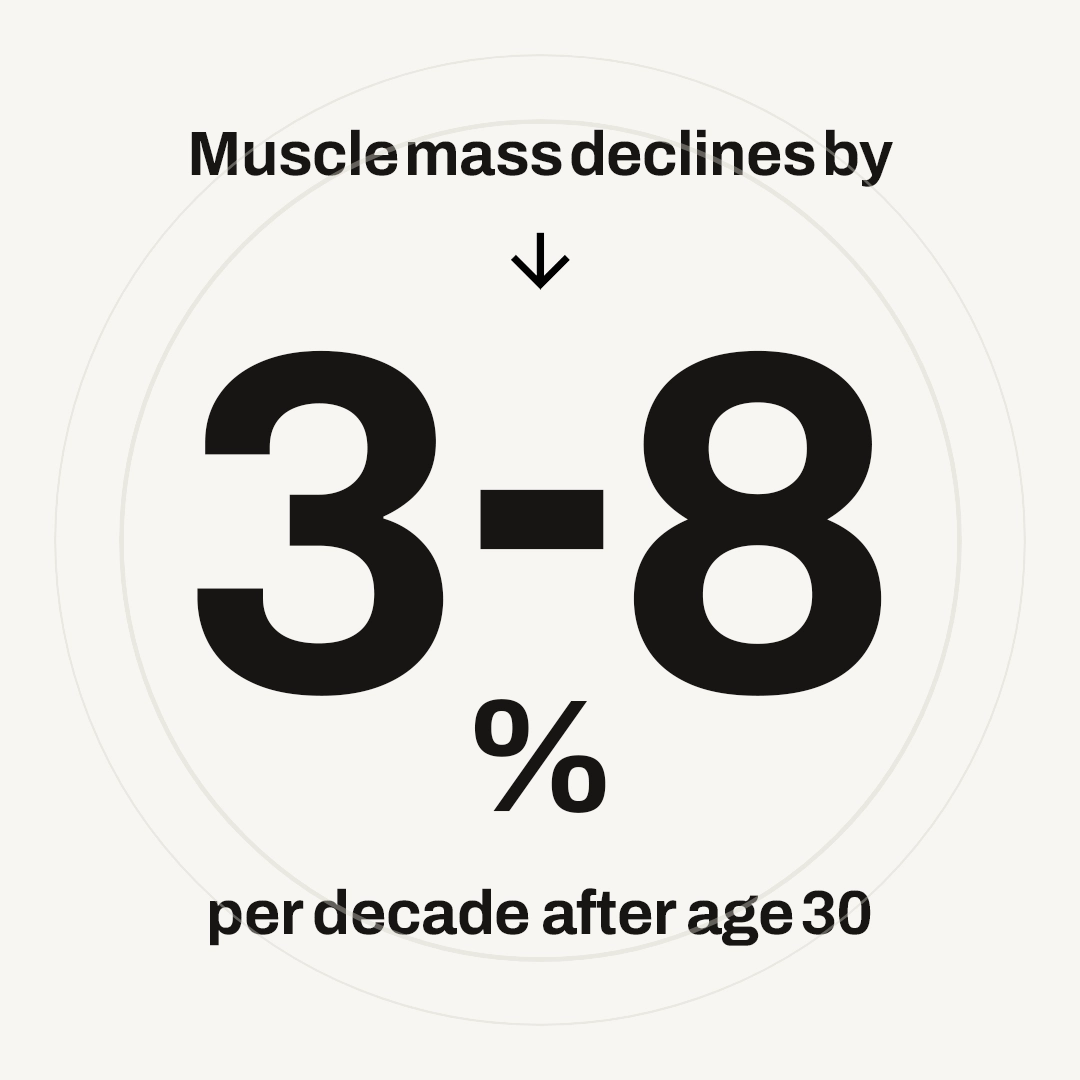
From around the age of 30, adults can lose 3-8% of their muscle mass each decade. Less muscle means less strength, a slower metabolic rate, and poorer blood sugar regulation, making it easier to gain weight.
Strength
Strength typically declines by 10-15% per decade through middle age. Everyday tasks become harder, recovery is slower, injury risk increases, and maintaining an active lifestyle becomes more difficult over time.
Body composition
As muscle declines and body fat increases, your metabolic health deteriorates. These changes affect blood pressure, blood sugar regulation, cognitive function and your long-term risk of chronic disease
Cardiovascular fitness
VO₂ max, one of the strongest predictors of longevity, declines by around 10% per decade after 30. As aerobic fitness falls, so do endurance, energy levels and overall physical capacity.
Metabolic health
Together, these changes reduce your body's ability to regulate blood sugar, blood pressure and inflammation effectively. Over time, this increases your risk of type 2 diabetes, heart disease and stroke.
WHY THE DECLINE ACCELERATES FROM YOUR 30S
Ageing affects everyone. How quickly you age is heavily influenced by how you live.
That's why you'll know people in their 50s who are lean, strong and full of energy, while others in their 30s already feel older than they should.
The challenge is that modern life creates the perfect conditions to accelerate decline. Demanding careers, family responsibilities and constant pressure leave little time or headspace to prioritise your health. The habits that protect your body are often the first to disappear.
Exercise becomes less frequent. Long hours behind a desk reduce daily movement. Muscle mass, strength and cardiovascular fitness begin to decline, while body fat increases and metabolic health deteriorates.
Sleep is sacrificed to fit more into the day, reducing recovery, increasing appetite and making it harder to concentrate. Convenience food replaces balanced meals, affecting energy, body composition and blood sugar regulation. Stress builds, not just from work pressures, but from poor sleep, inactivity and poor nutrition, making healthy choices feel even harder.
Each of these factors reinforces the next. Together they create a downward spiral that speeds up the physical decline.
The encouraging news is that these same lifestyle factors are also the most powerful tools for slowing, stopping and even reversing many of these changes. So how do you break the cycle?

DECLINE IS REVERSIBLE
Age may be inevitable. Physical decline doesn't have to be.
Research consistently shows that strength training, combined with good nutrition, quality sleep and regular movement, is one of the most effective ways to maintain muscle, improve metabolic health and stay stronger and healthier for longer.


THE METHOD BEHIND HEALTHY AGEING
Most people already know they should exercise more, eat better and prioritise their health. The difficult part isn't knowing what to do. It's applying those principles consistently around demanding careers, family commitments and a busy social life.
That's exactly what the U.P. Method was built to solve. It brings together the evidence-based principles that slow and reverse physical decline into one complete system, all managed by your expert trainer.
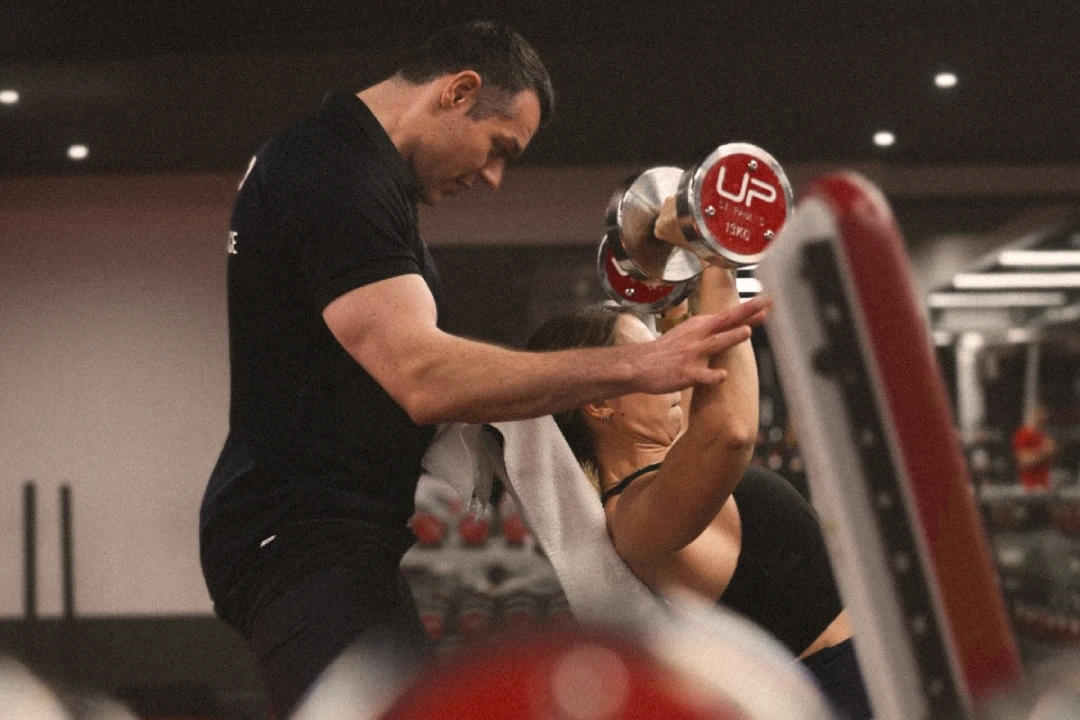
Targeted strength training
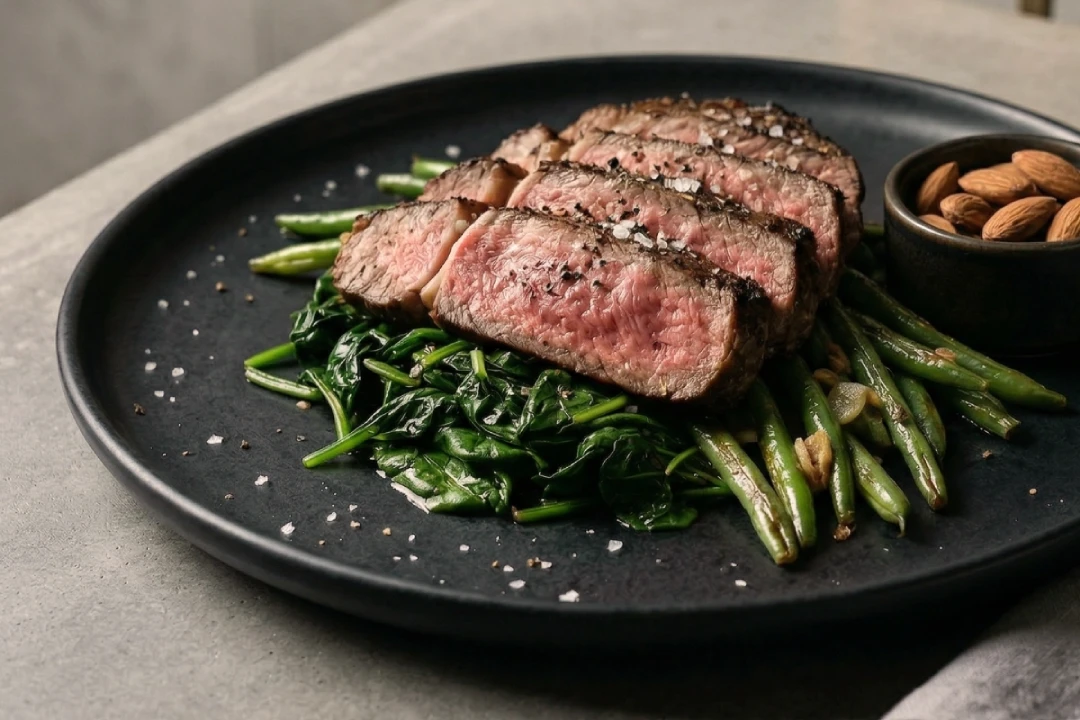
Personalised nutrition
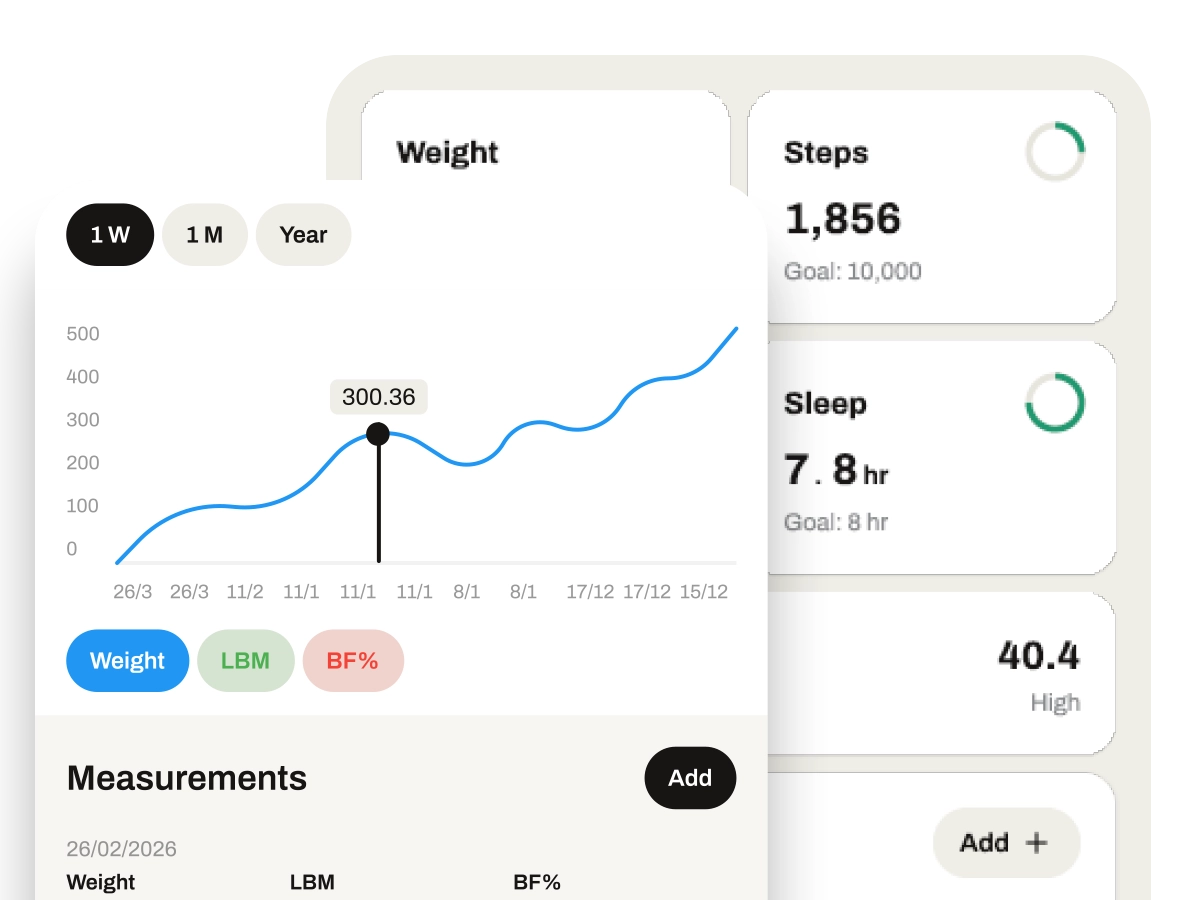
Precision tracking

Expert coaching
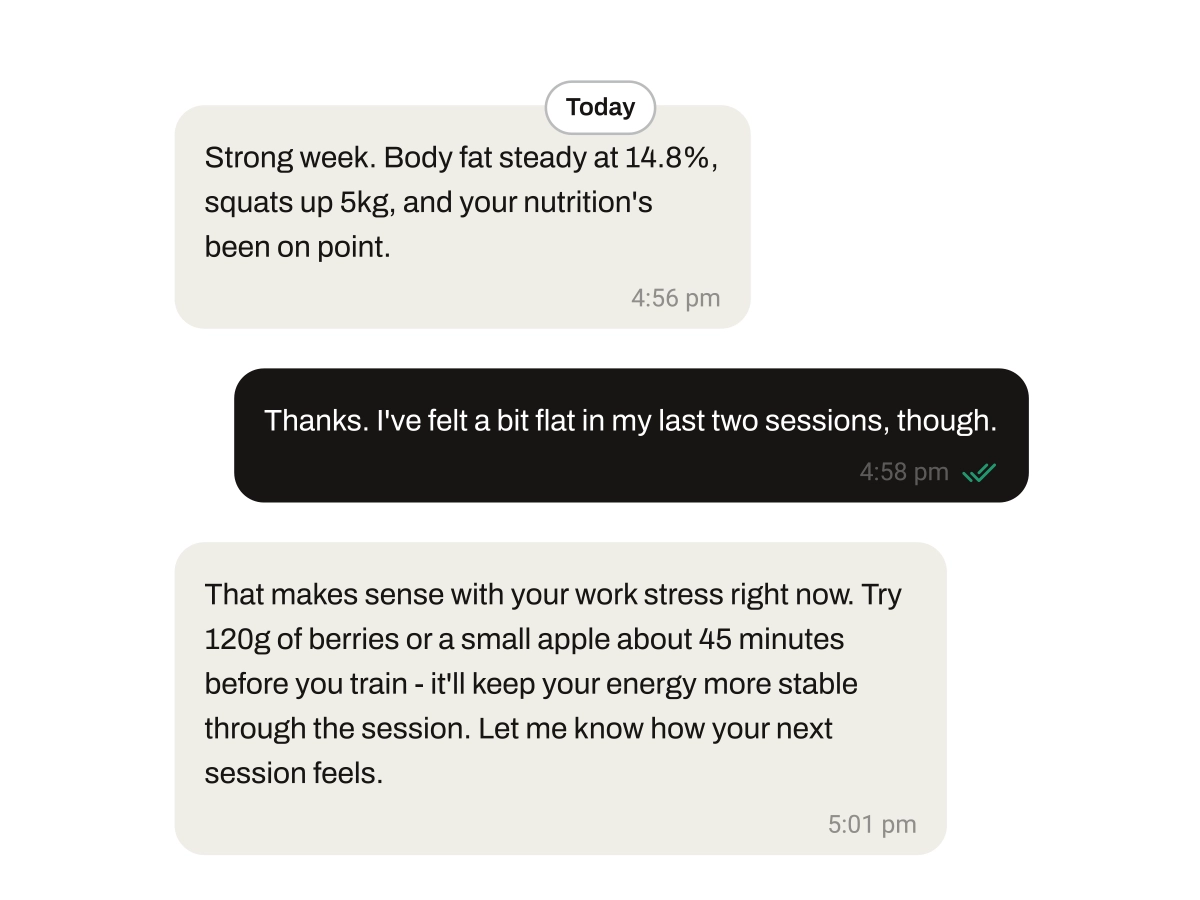
World-class accountability
WHAT RESULTS CAN YOU EXPECT?
The decline that begins in your 30s doesn't have to continue. With the right approach, many of the health markers that worsen with age can begin moving in the right direction.
Every year, thousands of U.P. clients improve the health markers that matter for healthy ageing. Here's what that looks like.

Where people start
Across thousands of new U.P. clients, we see the same pattern – body weight, body fat, waist circumference and blood pressure all trend upwards with age.
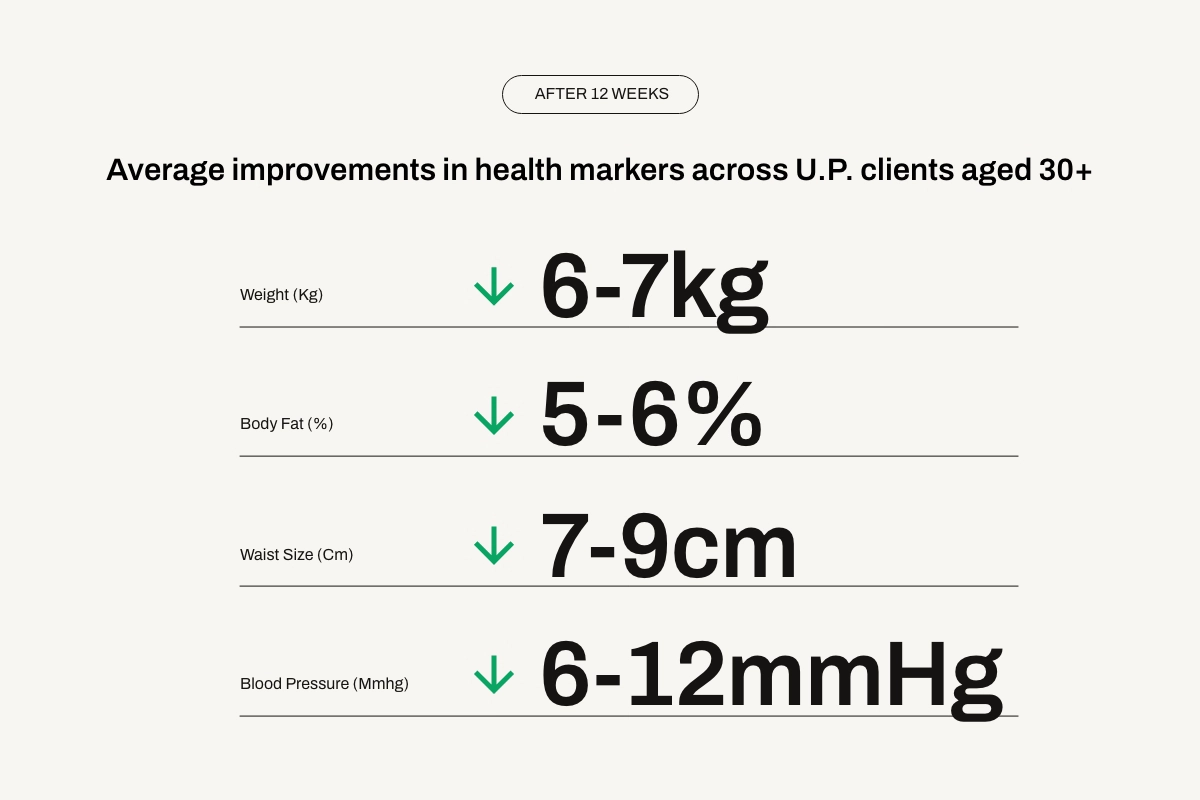
What changes in the first 12 weeks
Across U.P. clients aged 30+, meaningful improvements in body composition and metabolic health are achieved in as little as 12 weeks.
Explore more expert insights
Evidence-based advice from Ultimate Performance on preserving muscle, improving metabolic health and staying stronger, healthier and more capable as you age.
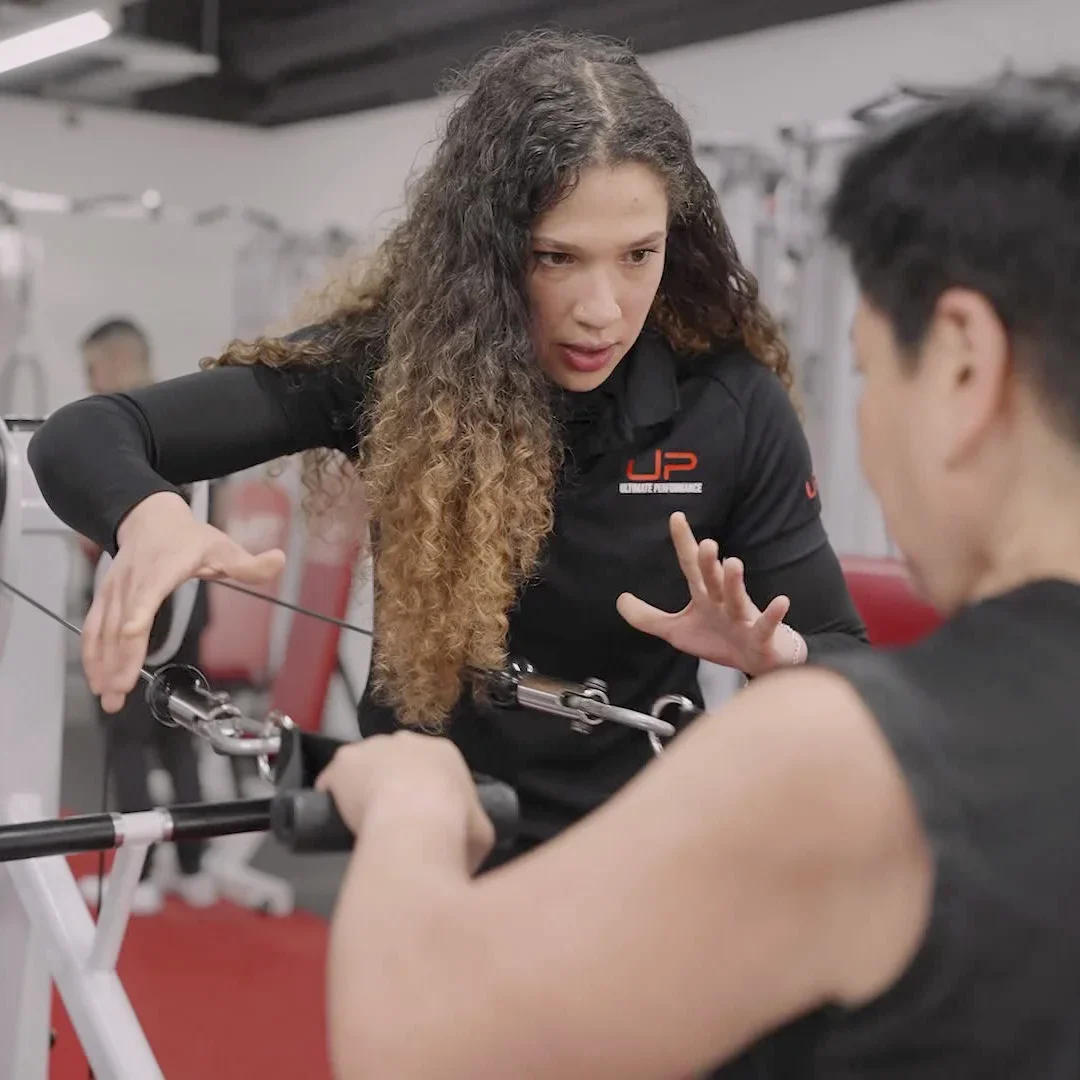
The science of strength training after 40
Discover why strength training becomes increasingly important after 40, and how it helps preserve muscle, protect metabolic health and support healthier ageing.

5 nutrition habits for healthier ageing
Five practical nutrition habits our coaches teach clients to help maintain muscle, improve metabolic health and stay healthier for life.

Understanding blood pressure
Learn why blood pressure matters for healthy ageing, what the numbers mean, and the most effective ways to improve them.
Start reversing the decline today
Every year you wait, the physical decline continues. The best time to change that trajectory is now. Discover how the U.P. Method can help transform your health.